

Article: Contrast Therapy: The Science of Hot and Cold
Contrast Therapy: The Science of Hot and Cold
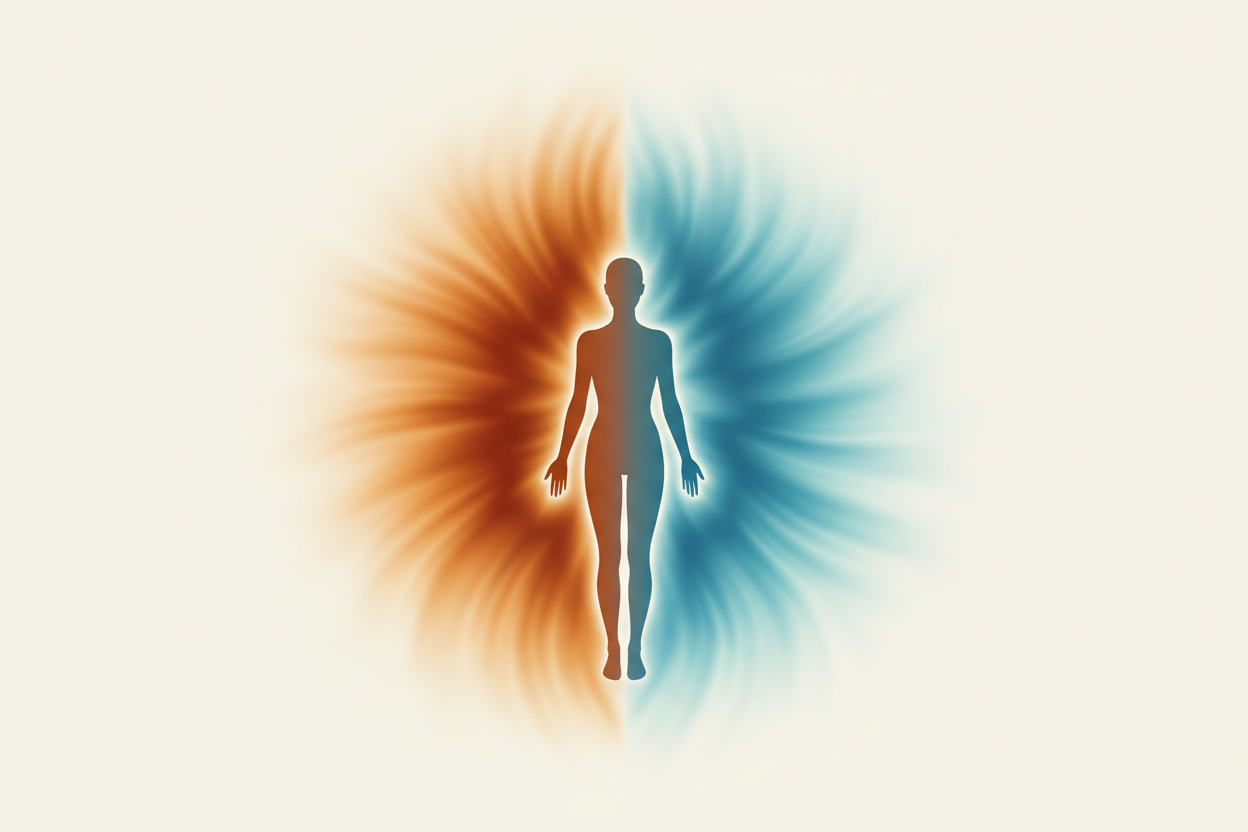
Contrast therapy — the deliberate alternation between heat and cold — has been practiced for centuries across Scandinavian, Japanese, and Roman wellness traditions. Today, modern sports science is catching up with what athletes and longevity enthusiasts have known intuitively: the combination of sauna and cold plunge produces benefits that neither can achieve alone.
What Is Contrast Therapy?
Contrast therapy involves cycling between a heat source (typically an infrared or traditional sauna) and cold immersion (a cold plunge tub or ice bath), with deliberate rest periods in between. A standard protocol looks like this:
- 10–20 minutes in the sauna — core temperature rises, blood vessels dilate, heart rate elevates
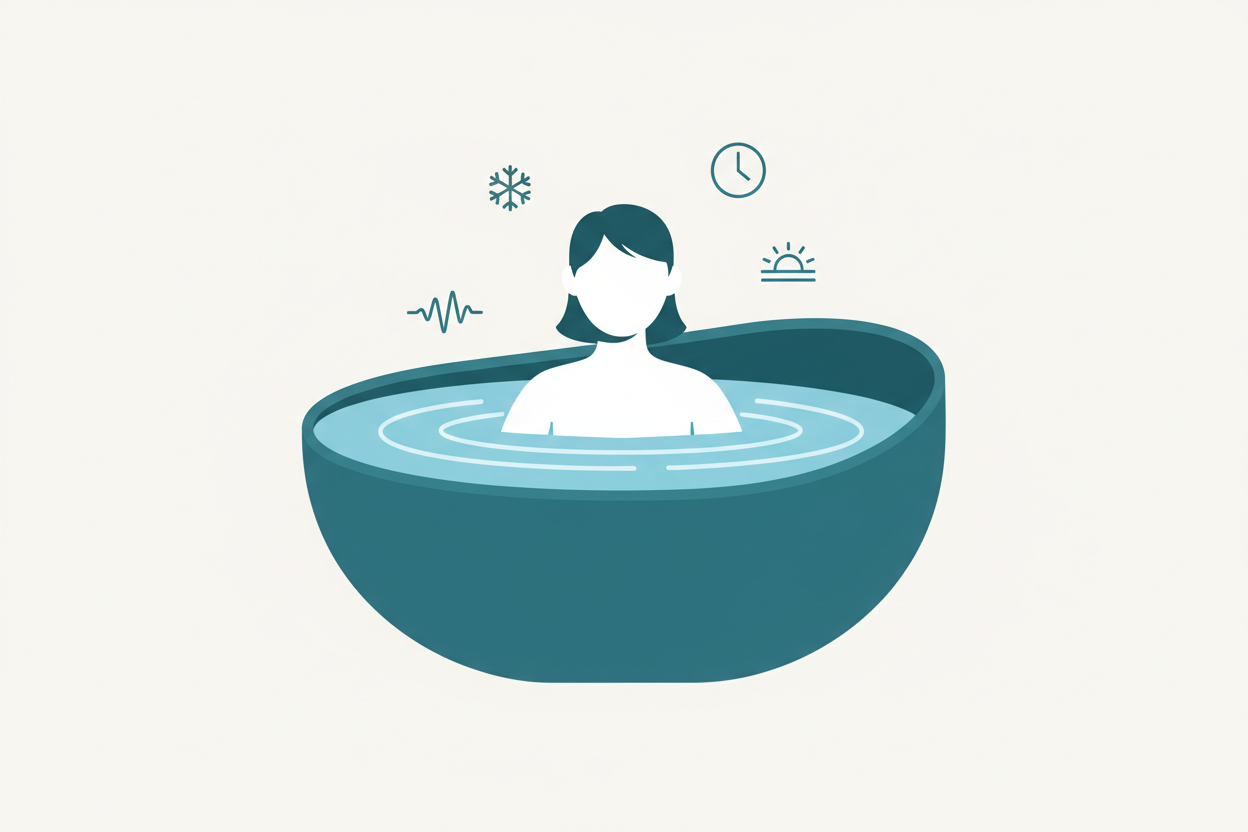
- 2–5 minutes in the cold plunge — vasoconstriction, norepinephrine spike, nervous system activation
- Rest for 5–10 minutes — the body stabilizes and begins the recovery cascade
- Repeat 2–3 rounds — each cycle compounds the physiological response
The Science Behind the Benefits
Cardiovascular Conditioning
The rapid shift between vasodilation (heat) and vasoconstriction (cold) creates what researchers describe as a "vascular workout." Your blood vessels expand and contract repeatedly, improving elasticity and circulation over time. Studies have linked regular sauna use to reduced cardiovascular risk — and cold exposure adds a complementary layer of cardiac adaptation.
Inflammation and Recovery
Heat increases blood flow to muscles and accelerates the removal of metabolic waste. Cold immersion reduces acute inflammation and blunts delayed onset muscle soreness (DOMS). Used together, they create a flush-and-cool effect that speeds recovery without suppressing the adaptive signals that make training effective.
Hormonal Response
Cold exposure triggers a significant norepinephrine release — up to 300% above baseline according to research from Dr. Susanna Søberg — which improves mood, focus, and stress resilience. Sauna heat stimulates growth hormone release and activates heat shock proteins that protect and repair cells at a molecular level.
Mental Resilience
The deliberate discomfort of contrast therapy — particularly the cold plunge — trains the nervous system to remain calm under stress. Over time, practitioners report improved stress tolerance, better sleep, and a stronger sense of mental clarity.
How to Build Your Contrast Therapy Protocol
If you're new to contrast therapy, start conservatively and build tolerance over weeks:
- Beginners: 10 min sauna / 1–2 min cold / rest — 2 rounds
- Intermediate: 15 min sauna / 3 min cold / rest — 3 rounds
- Advanced: 20 min sauna / 5 min cold / rest — 3–4 rounds
Cold plunge temperature between 50–59°F (10–15°C) is the evidence-supported range for therapeutic benefit. Sauna temperature between 170–195°F (77–90°C) for traditional, or 120–150°F (49–65°C) for infrared.
Equipment That Makes It Possible at Home
A true contrast therapy setup requires both a quality heat source and a reliable cold plunge. The difference between a clinical-grade experience and a frustrating one comes down to temperature stability — your cold plunge needs to hold its temperature across multiple rounds, and your sauna needs to reach and sustain therapeutic heat efficiently.
Explore our cold plunge tubs, outdoor saunas, and infrared saunas to build a complete contrast therapy setup at home.
Who Benefits Most
- Athletes and active recovery: Accelerated muscle repair and reduced soreness
- High-stress professionals: Nervous system regulation and cortisol management
- Longevity-focused individuals: Cardiovascular conditioning and cellular repair
- Sleep-challenged individuals: Core temperature cycling supports deeper sleep onset
Contrast therapy isn't a trend — it's one of the most evidence-backed recovery protocols available. When done consistently and with the right equipment, it becomes one of the highest-leverage wellness investments you can make.
This content is for informational and educational purposes only and is not intended as medical advice. Consult a qualified healthcare professional before beginning any new wellness, recovery, or temperature therapy protocol, particularly if you have cardiovascular conditions, hypertension, or other health concerns.

Leave a comment
This site is protected by hCaptcha and the hCaptcha Privacy Policy and Terms of Service apply.